

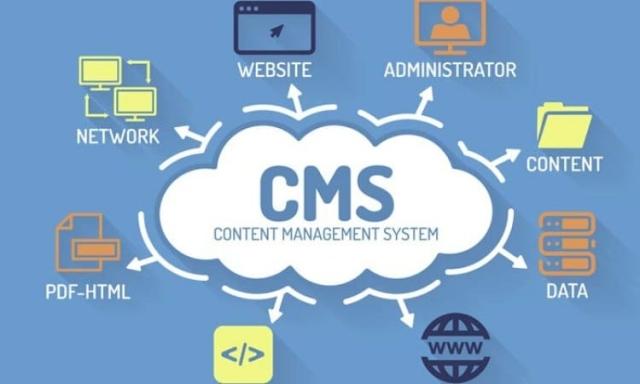
Running a website today means far more than launching a nice design and adding a few pages. The real work begins afterward — when updates, performance, security, user experience, and search engine expectations constantly evolve. Proper maintenance is what keeps a website healthy, stable, and trusted.
From my own experience managing websites for clients, I've learned one key truth: a website without ongoing maintenance becomes a problem waiting to happen. Slow speed, weak security, broken features, SEO drops — these issues rarely show up suddenly. They grow silently over time if a site is left unattended.
This is where structured, reliable maintenance matters. Even if the site runs on a modern content management system, it still requires careful monitoring, regular updates, backups, and optimization. Proper care ensures long-term performance, higher rankings, and seamless user experience.
One essential part of this process is cms wartung, especially when the CMS is responsible for most of the site's functionality and content management.
Why Website Maintenance Has Become Essential
1. Security Risks Grow Every Day
Every CMS — whether WordPress, Joomla, TYPO3, or others — relies on plugins, themes, and frameworks. These components need regular updates, often because developers fix vulnerabilities. When updates are ignored, hackers find an entry point.
Even small security gaps can cause massive issues:
-
Malware injections
-
Data leaks
-
Spam attacks
-
Blacklisted domains
-
Full site takeover
Maintaining your software stack ensures you don't end up in an avoidable crisis.
2. Performance Directly Influences User Trust
When a website loads slowly or behaves inconsistently, users leave. It's that simple. Google's own research shows that even a one-second delay can significantly reduce conversions and time on site.
Maintenance helps avoid:
-
Bloated databases
-
Outdated scripts
-
Caching conflicts
-
Broken images
-
Sluggish page loading
A healthy website feels smooth, fast, and reliable — exactly what visitors expect today.
3. Search Engine Rankings Depend on Technical Stability
Even the best content struggles to rank if the technical foundation is weak. Google considers many technical factors when evaluating a website's quality:
-
Core Web Vitals
-
Mobile responsiveness
-
Security certificates
-
Clean structure
-
Crawlability
-
Updated sitemaps
-
No harmful scripts
-
Stable server performance
With regular maintenance, technical errors are fixed before they start affecting visibility on search engines.
A well-maintained site gives Google confidence — which leads to better rankings and more traffic over time.
4. Backups Keep You Prepared for the Unexpected
Sometimes things break. Even when everything is set up correctly, a plugin update might cause conflicts, or a server issue might damage files.
Reliable backup routines include:
-
Daily or weekly full backups
-
Off-server storage
-
Automated restore capability
-
Testing backups for reliability
It's not enough to “have backups” — they need to work when disaster strikes.
5. Websites Need to Grow Without Breaking
As your business evolves, your website evolves too — new services, landing pages, blog posts, forms, integrations, features. Without strong maintenance, each new addition risks causing conflicts or errors.
Regular upkeep ensures your website remains:
-
Flexible
-
Scalable
-
Stable
-
Future-proof
This is especially important for growing businesses that rely on their site for leads, customer service, or sales.
What Good Website Maintenance Should Include
A strong maintenance routine covers all essential areas of website health:
✔ System & Plugin Updates
-
CMS core updates
-
Plugin and theme updates
-
Compatibility checks
-
Safe update procedures
✔ Security Monitoring
-
Malware scans
-
Firewall configuration
-
Spam blocking
-
Login protection
-
Certificate monitoring
✔ Backup Management
-
Automated backups
-
External storage
-
Restore testing
✔ Speed & Performance Optimization
-
Caching improvements
-
Image optimization
-
Database cleanup
-
Script and code optimization
✔ SEO-Related Technical Checks
-
Broken link audits
-
Sitemap validation
-
Robots.txt checks
-
Schema markup testing
-
Page speed monitoring
✔ User Experience Checks
-
Mobile responsiveness
-
Accessibility improvements
-
Bug fixes
-
Form testing
When all these elements work together, your website becomes far more durable and dependable. Many of these processes are especially important during cms wartung, where the goal is to keep the entire system functioning at its best.
Why Professional Maintenance Is Often the Best Choice
Managing website maintenance on your own is possible — but it becomes time-consuming and risky as your site grows.
A professional maintenance service offers:
-
Faster issue resolution
-
Proactive monitoring
-
Expert testing before updates
-
Emergency support
-
Monthly reporting
-
Advanced security tools
Businesses that rely on their website for leads, sales, or customer support should never leave their digital presence to chance.
Good maintenance prevents downtime, protects your brand, and allows you to stay focused on growth rather than technical problems. It is a long-term investment with measurable returns.
This is especially relevant when performing cms wartung, as an expert understands how to update systems safely without disrupting performance.
Your Website Needs Consistent Care to Stay Strong
A successful website is not defined by how it looks on launch day, but by how well it performs months and years later. Regular maintenance ensures your site delivers fast performance, strong security, reliable functionality, and better search visibility.
In a competitive digital landscape, ongoing technical care is not optional — it's a requirement for lasting success.
Whether you maintain your website yourself or hire a professional, what matters most is consistency. A well-maintained site protects your reputation, strengthens user trust, and helps you stay ahead of competitors.
FAQ
1. Why is website maintenance important for long-term success?
Website maintenance keeps your site secure, fast, and functional. Without routine updates and monitoring, a website becomes vulnerable to hackers, slow performance, and errors that can negatively impact users and search rankings. Proper maintenance ensures that all technical elements stay healthy, creating a stable environment for long-term growth.
2. How often should a website be updated and checked?
Routine maintenance should be performed at least once a month. However, high-traffic websites, business websites, or those relying heavily on plugins should be checked more frequently — sometimes weekly. The goal is to catch issues early and avoid security threats, performance drops, or conflicts caused by outdated components.
3. What are the benefits of professional website maintenance services?
Professionals handle updates, backups, monitoring, security, and optimization with proven processes. They ensure updates are tested safely, errors are fixed quickly, and the site runs at top performance. This saves time, reduces risk, and keeps the site stable while you focus on growing your business instead of solving technical issues.
4. Does website maintenance help with SEO performance?
Yes. Search engines prefer websites that load quickly, run securely, and have no technical errors. Maintenance improves Core Web Vitals, ensures mobile friendliness, prevents broken links, fixes crawl issues, and keeps the overall site structure clean. All of these elements increase the chances of achieving higher rankings on Google.
5. What happens if a website is not maintained regularly?
A neglected website may experience slow loading times, security breaches, plugin conflicts, outdated content, broken features, and even complete downtime. Over time, these issues damage user trust and cause search engines to lower your rankings. Regular maintenance prevents these problems and keeps your site performing at its best.